Our world is in grave danger, facing threats to it's safety from all sides. The climate crisis is getting
ever closer to a tipping point that we will not be able to get back from. However many people don't
pay attention to this issue because they don't think it will have much of an effect on them and their
jobs, this could not be further from the truth. Much of human industry was built along the cost to help
with trade and now the rising waters puts them at risk. DUE TO THE RISK OF RISING WATERS IN
THIS MODERN ERA TO WESTERN CIVILIZATIONS COASTAL INDUSTRY THERE IS MUCH TO
WORRY ABOUT, BUT IF MANAGED WELL THEY WILL BE ABLE TO OVERCOME THIS RISK AND
END UP THE BETTER FOR IT.
ever closer to a tipping point that we will not be able to get back from. However many people don't
pay attention to this issue because they don't think it will have much of an effect on them and their
jobs, this could not be further from the truth. Much of human industry was built along the cost to help
with trade and now the rising waters puts them at risk. DUE TO THE RISK OF RISING WATERS IN
THIS MODERN ERA TO WESTERN CIVILIZATIONS COASTAL INDUSTRY THERE IS MUCH TO
WORRY ABOUT, BUT IF MANAGED WELL THEY WILL BE ABLE TO OVERCOME THIS RISK AND
END UP THE BETTER FOR IT.

Humans have had a very long and important relationship with waterways and the cost going back
about as long as civilization has existed. They have acted as a source of water and a method for
travel allowing for the establishment of trade across long distances. This has resulted in a great deal
of cities and infrastructure being created along the coast and humanity deepening a great deal on
such land. All life comes from the ocean and over half of the living organisms in the world call it home
so honestly it is no surprise that it is so important to humanity despite no longer calling it our home.
about as long as civilization has existed. They have acted as a source of water and a method for
travel allowing for the establishment of trade across long distances. This has resulted in a great deal
of cities and infrastructure being created along the coast and humanity deepening a great deal on
such land. All life comes from the ocean and over half of the living organisms in the world call it home
so honestly it is no surprise that it is so important to humanity despite no longer calling it our home.

As the global population has increased so has the number of people living specifically in coastal
regions. Due to large urban centers forming along coasts about 40% of the world's population lives
within 100 kilometers of the coast, this has put a great deal of industry very close to the ocean
because all of those people need infrastructure inorder to survive and thrive. While flight is now one
method of travel and transport shipping is still used to handle over 90% of the worlds trade goods.
Without this system in place the world economy would be nowhere near as big as it is now.
regions. Due to large urban centers forming along coasts about 40% of the world's population lives
within 100 kilometers of the coast, this has put a great deal of industry very close to the ocean
because all of those people need infrastructure inorder to survive and thrive. While flight is now one
method of travel and transport shipping is still used to handle over 90% of the worlds trade goods.
Without this system in place the world economy would be nowhere near as big as it is now.

Before we look at the dangers to our coastal infrastructure and the risk assessment and alternatives
assessment ways to deal with it we should consider what industries will be most affected. Shiping as
mentioned is a huge deal for global trade and we have quite a bit of area developed for it specifically.
The location of such shopping areas is very important as if it is not deep enough cargo ships will not
be able to dock. Tourism and all of the businesses that benefit from it are another very large industry
to consider. Locations such as Italy, California, and Hawaii depend a great deal on coastal tourism as
a source of income.
assessment ways to deal with it we should consider what industries will be most affected. Shiping as
mentioned is a huge deal for global trade and we have quite a bit of area developed for it specifically.
The location of such shopping areas is very important as if it is not deep enough cargo ships will not
be able to dock. Tourism and all of the businesses that benefit from it are another very large industry
to consider. Locations such as Italy, California, and Hawaii depend a great deal on coastal tourism as
a source of income.
http://static1.squarespace.com/static/546d61b5e4b049f0b10b95c5/t/5ce28947c61c12000182b5c2/1
558350161796/FloodingMain.jpg?format=1500w
558350161796/FloodingMain.jpg?format=1500w

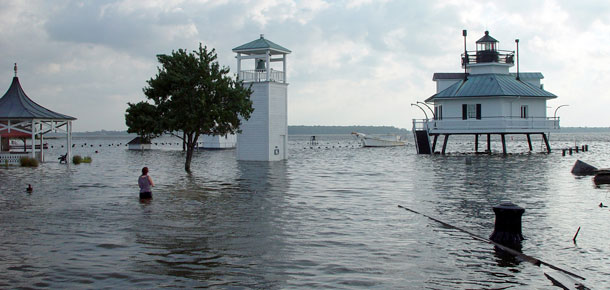
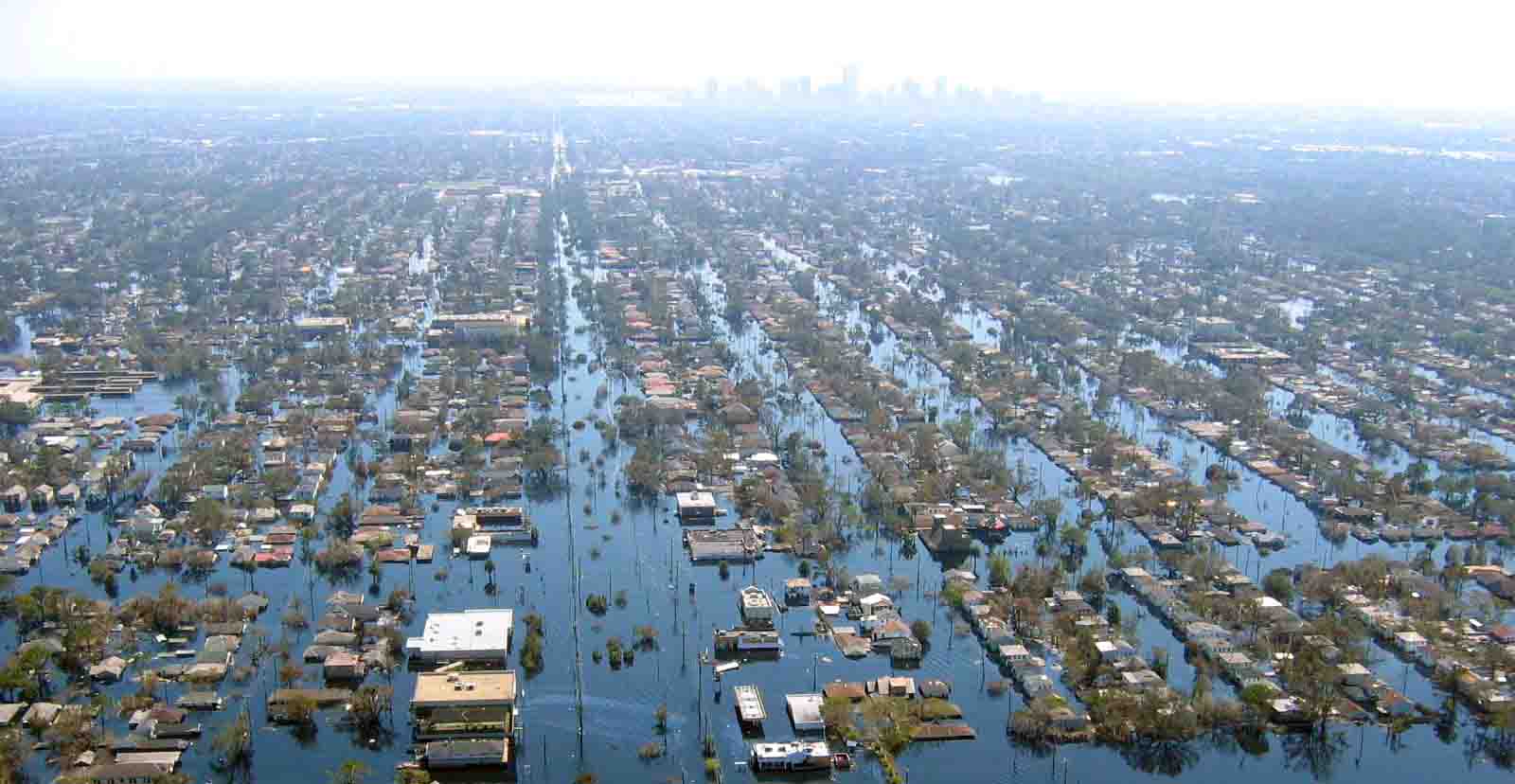
Our coastal cities and industry is under threat from climate change in a much more specific way
then we see in more inland parts of the world. About four hundred billion tons of ice melts each year
resulting in the ocean raising an estimated at 3.4 millimeters per year. If this keeps going at its current
rate, or even worse speeds up as is like to happen, we will see a large drop in the amount of available
land. Many people will go out of business and shipping lines will have to relocate in words if they are
even able to do so given how the area might not be suitable for large ships. Some islands will become
completely submerged destroying any economic value the area might have and forcing people to relocate.
then we see in more inland parts of the world. About four hundred billion tons of ice melts each year
resulting in the ocean raising an estimated at 3.4 millimeters per year. If this keeps going at its current
rate, or even worse speeds up as is like to happen, we will see a large drop in the amount of available
land. Many people will go out of business and shipping lines will have to relocate in words if they are
even able to do so given how the area might not be suitable for large ships. Some islands will become
completely submerged destroying any economic value the area might have and forcing people to relocate.
https://www.neefusa.org/sites/default/files/styles/article_hero/public/field/image/WEB18-WeatherClimate
-HoustonHarveyFlooding-CoastalFlooding-4369x2457.jpg?itok=GPWz7S2q
-HoustonHarveyFlooding-CoastalFlooding-4369x2457.jpg?itok=GPWz7S2q

When looking at the problem through the lens of risk assessment it comes down to just numbers. The
direct cost to businesses or the relocation of people and does not stop to think of what it means for
things such as culture. One of the most common solutions put forward in this day and age that uses risk
assessment as its base is the construction of ocean walls to help deal with rising water. This is put
forward as an engineering way to deal with the issues caused by rising water but does nothing to
actually prevent it. It is also only viable in the more western countries proposing it as they have the
money to actually do it. It is a shortsighted fix that will only work in specific situations and not actually
fix the problem costing more money now and in the future.
direct cost to businesses or the relocation of people and does not stop to think of what it means for
things such as culture. One of the most common solutions put forward in this day and age that uses risk
assessment as its base is the construction of ocean walls to help deal with rising water. This is put
forward as an engineering way to deal with the issues caused by rising water but does nothing to
actually prevent it. It is also only viable in the more western countries proposing it as they have the
money to actually do it. It is a shortsighted fix that will only work in specific situations and not actually
fix the problem costing more money now and in the future.
https://blogger.googleusercontent.com/img/b/R29vZ2xl/AVvXsEgBcRYxZ4dArH_IIAA1zfDqwK4dY_hpy64zDgAAe3RGDj2pT-13QzPYPf_h6wYbjDPX-z2-8OnK7SI6_aNmA_UCN2qSYBju7STH4GafKTA9gV8CfE-s6lrL8zaOsnj86WXIWOWYtlJKAeY/s320/eastcoast
northamerica4.jpg
northamerica4.jpg

Alternatives assessment on the other hand takes a lot more into account than just cost benefit analysis
looking at the many different solutions to a problem and deciding what provides the best outcome for
everyone. Looking at this issue through this lense gives us a different view, rather than suppressing the
symptoms we need to find a solution to the cause. While there are many things people are trying to do
to stop and slow climate change I feel that if we looked at it through the lenses of economics and coastal
communities at actual risk many more people would get involved. Education and getting people
involved is always a good idea as it will lead to new innovative solutions
looking at the many different solutions to a problem and deciding what provides the best outcome for
everyone. Looking at this issue through this lense gives us a different view, rather than suppressing the
symptoms we need to find a solution to the cause. While there are many things people are trying to do
to stop and slow climate change I feel that if we looked at it through the lenses of economics and coastal
communities at actual risk many more people would get involved. Education and getting people
involved is always a good idea as it will lead to new innovative solutions
https://bloximages.chicago2.vip.townnews.com/pressofatlanticcity.com/content/tncms/assets/v3/editorial
/1/d6/1d6ecb8e-1814-5aac-b000-d219e75a1698/5ab2bc1f44502.image.jpg?resize=400%2C200
/1/d6/1d6ecb8e-1814-5aac-b000-d219e75a1698/5ab2bc1f44502.image.jpg?resize=400%2C200

While it is clear that what will happen if we do nothing or are just reactionary will be quite awful coastal
industry does have the opportunity to gain from it. By putting themselves forward as taking this issue
seriously companies would be able to get quite a bit of good press around it. Alternatives assessment
is all about community engagement and making sure everyone has a voice so being a part of this
means people will be talking about you. It is also worth noting that green solutions to problems and
energy are expanding fields so there is quite a lot of money to be made by getting into the market.
industry does have the opportunity to gain from it. By putting themselves forward as taking this issue
seriously companies would be able to get quite a bit of good press around it. Alternatives assessment
is all about community engagement and making sure everyone has a voice so being a part of this
means people will be talking about you. It is also worth noting that green solutions to problems and
energy are expanding fields so there is quite a lot of money to be made by getting into the market.

While I would love for corporations to out of the goodness of their heart make the world a better place,
improve the environment, and switch to Alternatives assessment that will just not happen. If we want to
see real change in our world we have to appeal to what drives people, while that can be different for
everyone some of the biggest drivers are survival and money. By educating people on how coastal
industry is at risk we let them know how their personal wellbeing and survival is in dangor. By thinking
of viable solutions and opportunities we also give them a way to benefit from the situation.
improve the environment, and switch to Alternatives assessment that will just not happen. If we want to
see real change in our world we have to appeal to what drives people, while that can be different for
everyone some of the biggest drivers are survival and money. By educating people on how coastal
industry is at risk we let them know how their personal wellbeing and survival is in dangor. By thinking
of viable solutions and opportunities we also give them a way to benefit from the situation.
https://cdn.vox-cdn.com/thumbor/Ng2K7twmHPNqenD0iCXCii_WU1o=/0x0:1000x630/1200x800/filters:
focal(420x235:580x395)/cdn.vox-cdn.com/uploads/chorus_image/image/65650163/waves_file_a
shlee.0.jpg
focal(420x235:580x395)/cdn.vox-cdn.com/uploads/chorus_image/image/65650163/waves_file_a
shlee.0.jpg

Our world is at risk and we must walk with purposeful steps to avoid tragedy while dealing with the
environment. The rising sea level is a direct representation of the issues we are having to get a handle
on and is something that can be seen as time passes. This obviousness of the problem makes it a very
good way to judge how much our changing environment affects people. Jobs and lives are at risk from
this issue and it should be taken as seriously as any form of natural disaster. Rather than using the
flawed system of Risk Assessment to keep the status flow and be put in danger for the future, switching
to the system of Alternatives Assessment would allow for us to come up with new and better solutions.
However, as we have seen problems are also opportunities in our modern era not only to get past but
improve on our lives and industry.
environment. The rising sea level is a direct representation of the issues we are having to get a handle
on and is something that can be seen as time passes. This obviousness of the problem makes it a very
good way to judge how much our changing environment affects people. Jobs and lives are at risk from
this issue and it should be taken as seriously as any form of natural disaster. Rather than using the
flawed system of Risk Assessment to keep the status flow and be put in danger for the future, switching
to the system of Alternatives Assessment would allow for us to come up with new and better solutions.
However, as we have seen problems are also opportunities in our modern era not only to get past but
improve on our lives and industry.
https://static01.nyt.com/images/2018/11/18/autossell/18flood/merlin_146376660_36683b6a-a881-4195
-98bf-923d1dff8e92-articleLarge.jpg?quality=75&auto=webp&disable=upscale
-98bf-923d1dff8e92-articleLarge.jpg?quality=75&auto=webp&disable=upscale

Sources:
“Coastal Zone Population.” Columbia.edu, sedac.ciesin.columbia.edu/es/papers/Coastal_Zone_
Pop_Method.pdf.
Pop_Method.pdf.
“Econ Report.” Coast.noaa.gov, coast.noaa.gov/data/digitalcoast/pdf/econ-report.pdf.
MarineBio. “Home.” MarineBio Conservation Society, 8 June 2019, marinebio.org/creatures/facts/.
National Geographic Society. “River.” National Geographic Society, 9 Oct. 2012,
www.nationalgeographic.org/encyclopedia/river/.
www.nationalgeographic.org/encyclopedia/river/.
“The Power of Rivers.” Nature.org, www.nature.org/media/freshwater/power-of-rivers-report.pdf.
“Tons of Melted Ice - Globally This Year.” The World Counts, www.theworldcounts.com/
counters/why_is_climate_change_important/melting_ice_caps_facts.
counters/why_is_climate_change_important/melting_ice_caps_facts.
Willis, Joshua K., and Ocean Portal Team. “Sea Level Rise.” Smithsonian Ocean, 5 Aug. 2019,
ocean.si.edu/through-time/ancient-seas/sea-level-rise.
ocean.si.edu/through-time/ancient-seas/sea-level-rise.




/cdn.vox-cdn.com/uploads/chorus_image/image/65650163/waves_file_ashlee.0.jpg)

No comments:
Post a Comment